
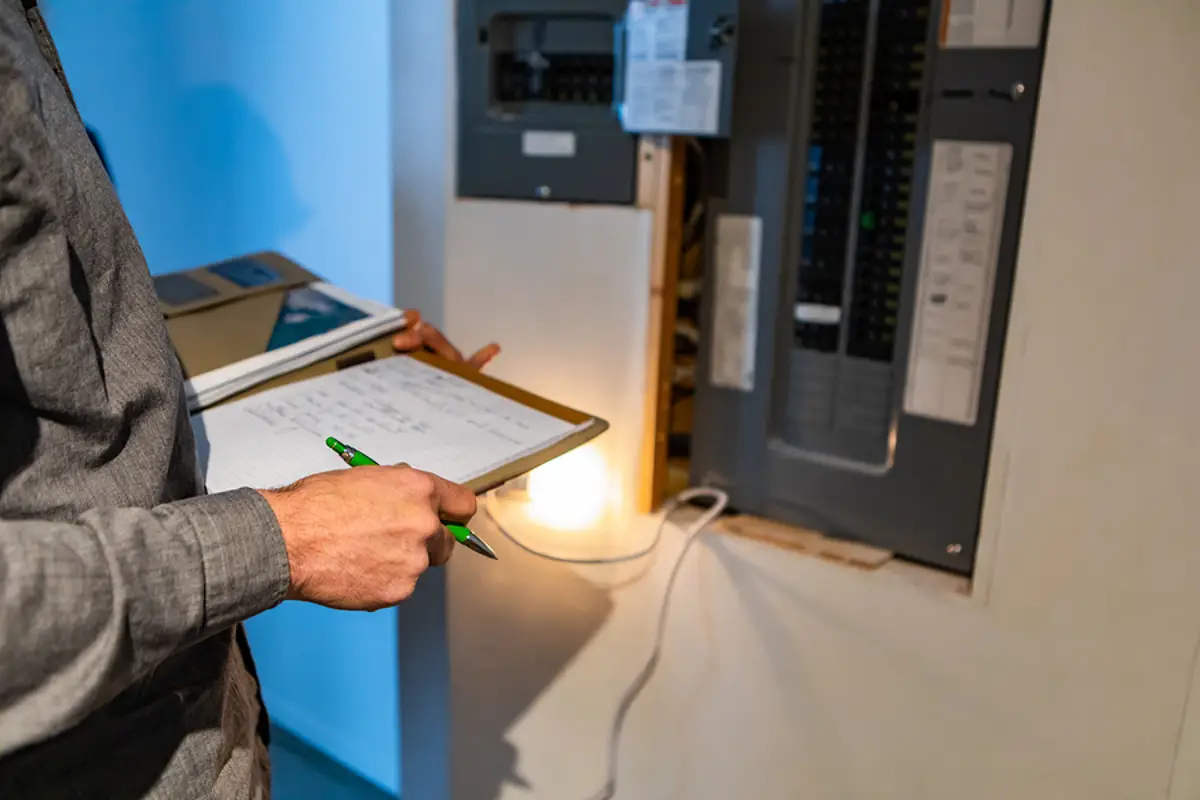
A review of your recent routine inspection findings can reveal patterns that don’t stand out at first. A faucet gets fixed, then leaks again. An outlet works briefly, then fails. These moments feel minor, yet they often point to something deeper within the property.
As these issues repeat, they begin to affect more than your maintenance list. Costs slowly rise, tenants lose confidence, and the property becomes harder to manage efficiently. In DeLand, where renters expect dependable living conditions, breaking this cycle is essential for long-term success.
Key Takeaways
- Recurring repairs often signal deeper system issues that require lasting fixes
- Repeated service calls increase overall maintenance expenses
- Delayed upgrades lead to more frequent breakdowns
- Reliable repairs improve tenant satisfaction and retention
- Proactive planning supports stronger property performance
When Repairs Repeat, Look Deeper
Recurring issues rarely happen by accident. When the same repair appears more than once, it often means the original problem was never fully resolved.
Quick fixes can handle immediate concerns, but they don’t always address the source. Over time, this creates a pattern of repeat service calls that affects both cost and efficiency. Many property owners begin to notice these patterns when reviewing trends similar to those discussed in tenant red flag signs.
Common Causes Behind Repeat Problems
Certain issues tend to return more frequently than others, especially when underlying systems are aging or poorly configured.
- Plumbing clogs may point to buildup or pipe layout concerns
- HVAC issues often reflect aging or undersized systems
- Electrical problems can stem from outdated wiring
When these patterns appear, it’s time to shift focus from quick fixes to long-term solutions.
Why Small Repairs Add Up Quickly
A single repair might seem manageable. The real challenge comes when the same issue keeps returning.
Each service call involves labor, materials, and coordination. When problems repeat, those costs accumulate. According to the U.S. Census Bureau, median monthly housing costs reached $2,035 in 2024, showing how ongoing expenses continue to rise.
Recurring maintenance plays a role in that increase. Even small issues, when repeated, can significantly impact your budget.
The Limits of Quick Fixes
Short-term repairs often focus on immediate results. While they restore functionality, they may not prevent the issue from returning. This creates a loop of recurring maintenance that becomes more expensive over time.
Understanding how these costs affect your property is easier when reviewing tools like project management services, which help track recurring maintenance patterns and expenses.
Delays Make Maintenance More Expensive
Putting off upgrades might feel like a cost-saving move. In reality, it often leads to higher expenses over time.
Older systems require more frequent attention. They become less efficient and more prone to failure. This results in more service calls and increased operating costs.
The Federal Reserve Bank of Philadelphia reported that housing repair needs reached $198.4 billion in a single year, driven largely by unresolved and recurring issues.
Long-Term Effects of Delayed Upgrades
- More frequent breakdowns
- Higher utility costs
- Reduced system lifespan
- Increased risk of unexpected repairs
Addressing issues early helps stabilize performance and reduce ongoing costs. Property owners often evaluate these decisions through tools like rental performance insights to better understand long-term impact.
Tenant Experience Depends on Reliability
Tenants expect problems to stay fixed once they are addressed. When issues keep coming back, it affects how they view the property.
Repeated maintenance visits can become frustrating. Even if repairs are handled quickly, the inconvenience builds over time. This can lower satisfaction and weaken trust.
Clear communication also plays a role. Tools like tenant communication tools help keep tenants informed, which improves their overall experience.
Signs Tenant Confidence Is Declining
- Repeated complaints about the same issue
- Frustration in maintenance requests
- Lower satisfaction despite quick responses
- Hesitation when the lease renewal approaches
These signs often connect back to unresolved maintenance problems.
How Recurring Issues Affect Tenant Retention
When problems persist, tenants are less likely to renew their leases. Even small issues can influence their decision if they affect daily comfort.
Higher turnover brings additional costs. Vacancy periods, marketing, and onboarding new tenants all impact your bottom line. Frequent turnover also increases wear on the property.
Investing in reliable solutions helps improve retention. Property owners who focus on long-term fixes often see better results in both occupancy and tenant satisfaction.
Improving efficiency through updates, like those highlighted in smart property upgrades, can reduce recurring problems while enhancing overall property value.
Building a Smarter Maintenance Strategy
Breaking the cycle of recurring repairs requires a more strategic approach. Instead of reacting to each issue, focus on identifying and resolving the root cause.
Working with structured systems makes it easier to manage maintenance efficiently. Resources like owner support resources can help you stay organized and proactive.
Steps to Improve Long-Term Efficiency
Start by tracking maintenance history. Identify which issues repeat and how often they occur. This helps you recognize patterns early.
Next, evaluate whether repairs are addressing the full problem. If issues keep returning, it may be time to consider replacement instead of repair.
Finally, ensure consistent follow-through. Reliable maintenance processes reduce the chance of recurring problems and improve overall property performance.
Strengthening Property Performance Over Time
A well-maintained property operates more efficiently. It experiences fewer disruptions, lower costs, and higher tenant satisfaction.
Focusing on long-term solutions helps you avoid the cycle of repeated repairs. It also supports stronger financial performance by reducing unnecessary expenses.
Reliable maintenance planning plays a key role in this process. When systems function properly, everything from tenant experience to operational efficiency improves.
Why Long-Term Thinking Matters
Short-term decisions can create long-term consequences. Choosing quick fixes over permanent solutions may seem convenient, but it often leads to higher costs later.
By addressing root causes early, you can stabilize your property’s performance and reduce ongoing maintenance demands.
FAQs about Recurring Repairs in DeLand, FL
What early warning signs suggest a repair issue might become recurring?
Frequent service requests for the same fixture, repeated tenant complaints, or repairs that fail within weeks often indicate a deeper issue. Tracking these patterns early helps prevent ongoing maintenance problems and rising costs over time.
How can maintenance records help reduce repeated repair issues?
Detailed records allow you to identify trends, such as recurring problems in the same unit or system. This information helps guide better decisions, ensuring repairs address the root cause instead of repeating temporary fixes.
Do older properties experience more recurring maintenance problems?
Older homes tend to have aging systems that are more prone to failure. Without timely upgrades or proper maintenance, these systems can lead to repeated issues that require frequent attention and increased repair spending.
Can preventive maintenance reduce the risk of repeated repairs?
Yes, regular inspections and servicing help catch minor issues before they escalate. Preventive care keeps systems functioning properly, reduces emergency repairs, and minimizes the likelihood of recurring maintenance problems affecting tenants.
How do recurring repairs affect long-term property value?
Ongoing maintenance issues can reduce property appeal and increase operating costs. Over time, unresolved problems may impact resale value and make it harder to attract or retain tenants seeking reliable, well-maintained rental homes.
Stability Starts With Smarter Maintenance Decisions
Letting the same issues resurface over time can quietly drain your resources and create unnecessary friction for tenants. When systems are properly evaluated and resolved at the source, properties run more smoothly and require less reactive attention.
Working with PMI Central Florida gives you a clearer path forward. We focus on identifying patterns, improving repair outcomes, and keeping your rental aligned with long-term performance goals. That means fewer surprises and more consistent results across your property.
If you’re ready to move past repeated fixes and create a more dependable maintenance plan, take the next step and streamline repair solutions designed to keep your property operating at its best.
