
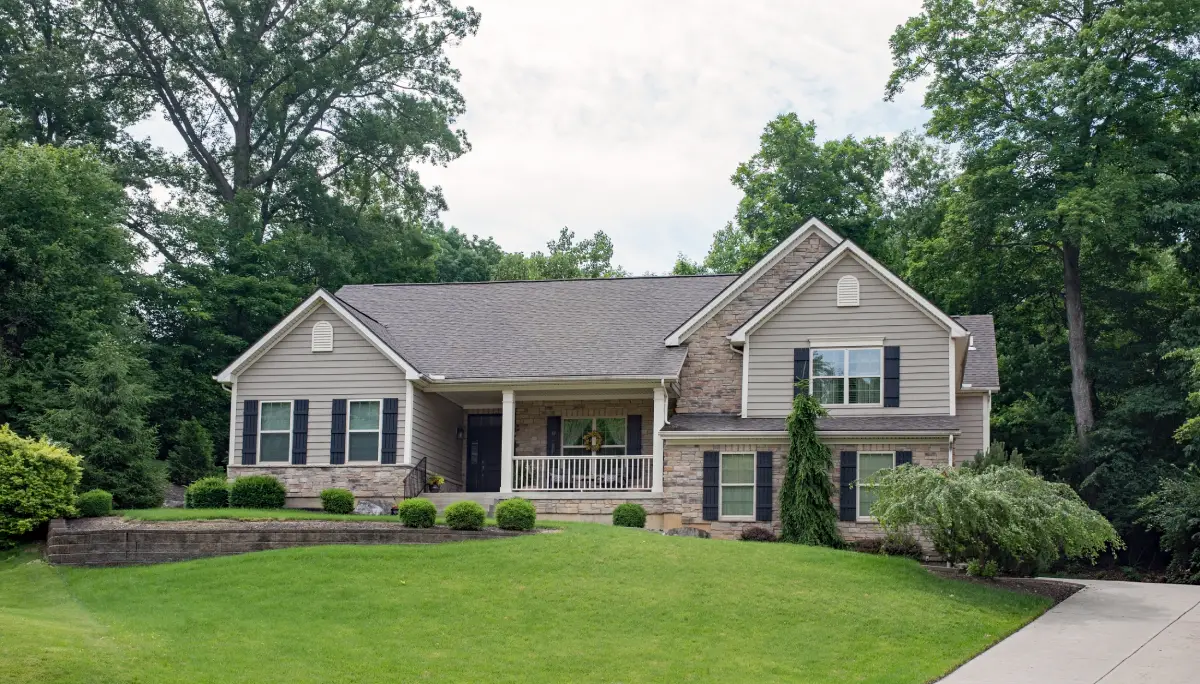
A rental property can appear to be doing everything right while still producing less income than expected. Reliable tenants, steady rent payments, and low vacancy rates certainly help, but they do not always reveal how efficiently a property is performing behind the scenes.
As DeLand continues to attract residents looking for a balance of affordability, convenience, and access to Central Florida opportunities, rental owners face changing market conditions that can influence profitability. Periodic reviews often uncover areas where small adjustments can make a meaningful difference.
Many investors begin examining performance after reading about smarter rent collection methods, which frequently reveal opportunities to improve broader property operations and financial outcomes.
Key Takeaways
- Rental profitability depends on more than occupancy and monthly rent collection.
- Outdated pricing can gradually reduce income over multiple lease cycles.
- Routine inspections help identify concerns before they become costly repairs.
- Strategic improvements support stronger competitiveness in the rental market.
- Ongoing performance reviews provide valuable insight for owners.
A Full Property Does Not Always Mean Full Value
Many landlords view occupancy as the primary indicator of success. While keeping a property occupied remains important, several additional factors contribute to long-term profitability.
A rental may remain occupied for years while operating below its potential. Expenses can increase, market rates can shift, and maintenance concerns can quietly accumulate.
Property owners who evaluate performance regularly are often better positioned to identify opportunities before they affect investment returns.
Pricing Decisions Influence More Than Monthly Income
Rent rates have a direct effect on profitability, but they also influence future financial flexibility.
Many owners postpone rent increases because they want to retain dependable tenants. While stability has value, avoiding adjustments indefinitely can reduce overall returns.
Ownership Costs Continue Changing
Insurance premiums, maintenance expenses, property taxes, and vendor fees often increase over time. Rental income should be reviewed periodically to ensure it remains aligned with ownership costs.
Small Differences Become Significant
A property rented below market value by a relatively small amount can generate thousands of dollars less income across multiple lease renewals.
Predictable Adjustments Reduce Disruption
Smaller annual increases are often easier for tenants to accept than substantial changes implemented after years without adjustment.
Many landlords gain greater visibility into performance through effective rental budgeting practices, which help align expenses with long-term financial goals.
Maintenance Concerns Can Grow Faster Than Expected
The most expensive repairs often begin as minor issues that appear harmless.
Long-term tenants may delay reporting concerns because they seem insignificant. Without routine evaluations, small issues can become larger and more costly.
Water Damage Rarely Stays Isolated
Minor leaks can affect flooring, drywall, cabinetry, and structural components before visible signs appear.
HVAC Equipment Benefits From Monitoring
Heating and cooling systems often show performance changes before a breakdown occurs. Early attention can reduce repair costs and improve reliability.
Appliance Wear Happens Gradually
Many appliances become less efficient before they stop functioning entirely. Routine inspections help identify replacement needs before emergencies arise.
Research from PwC found that 32% of customers place a high value on convenience and positive experiences. Prompt maintenance often contributes to stronger tenant satisfaction and lease retention.
Property Updates Help Preserve Competitiveness
A rental property does not need a complete renovation to remain attractive. Strategic updates can help maintain appeal and support future rental income.
As prospective renters compare homes, even modest improvements can influence leasing decisions.
Improvements Often Delayed
- Updated lighting fixtures
- Fresh interior paint
- Modern hardware
- Energy-efficient appliances
- Exterior curb appeal enhancements
Properties that remain unchanged for long periods may struggle to compete with newer or recently updated rentals.
Many owners coordinate improvements while evaluating weather-focused property upgrades, helping them improve both durability and marketability.
Financial Reviews Provide Valuable Insight
Monthly rent collection represents only one part of overall property performance.
Regular reviews help owners understand how expenses, income, maintenance costs, and market conditions interact.
Compare Against Similar Rentals
Market comparisons provide useful information regarding pricing opportunities and property positioning.
Monitor Expense Patterns
Tracking insurance, maintenance, repairs, and turnover-related costs can reveal trends that deserve attention.
Evaluate Long-Term Returns
Investment performance should be measured consistently to support informed decision-making.
Many landlords use a rental ROI calculator to evaluate how operational decisions affect profitability over time.
Consistent Standards Support Better Outcomes
Strong tenant relationships are valuable, but lease expectations should remain consistent.
When standards become increasingly flexible, avoidable issues can affect property condition and financial performance.
Examples include:
- Unauthorized occupants
- Repeated late payments
- Unapproved pets
- Property modifications without approval
Addressing concerns promptly helps preserve both property value and professional landlord-tenant relationships.
Owners often identify opportunities for improvement through a professional rental assessment, which provides valuable insight into current performance.
Local Conditions Continue Influencing Rental Performance
Rental markets evolve continuously. Population growth, housing supply, employment trends, and community development can all influence property performance.
Owners who stay informed about local conditions are often better prepared to make decisions regarding pricing, upgrades, and future investments.
The American Customer Satisfaction Index reported 81 out of 100 for in-room amenities in the lodging industry. While residential rentals serve a different purpose, comfort and functionality remain important considerations for residents.
Many investors rely on available property owner resources to stay informed about property performance and investment trends.
Property owners facing operational challenges may also benefit from reviewing information about landlord support services, which can provide guidance during periods of transition or growth.
FAQs about Rental Revenue Performance in DeLand, FL
How can tenant lifestyle preferences influence future property upgrades?
Renter preferences evolve over time as technology, remote work trends, and living habits change. Paying attention to these shifts can help owners prioritize upgrades that align with future demand and improve market appeal.
What role do online property listings play in attracting qualified renters?
Property listings often create a renter's first impression. High-quality photos, accurate descriptions, and detailed information can improve visibility, attract stronger applicants, and reduce the time needed to fill vacancies.
Can landscaping affect a rental property's long-term appeal?
Yes. Well-maintained landscaping contributes to curb appeal and can influence how prospective renters perceive a property. Attractive outdoor spaces often help properties stand out in competitive rental markets.
Why should owners track the age of major property systems?
Keeping records of HVAC equipment, roofing, plumbing components, and appliances helps owners prepare for future replacements. Planning ahead can reduce financial surprises and improve long-term budgeting accuracy.
How can resident feedback help improve a rental property?
Feedback can highlight concerns, preferences, and opportunities that owners may not notice independently. Gathering input periodically can help identify practical improvements that support tenant satisfaction and property competitiveness.
Restoring the Full Potential of Your Rental
Some of the most meaningful gains in rental performance come from identifying issues before they become larger challenges. Reviewing pricing, monitoring expenses, maintaining property condition, and staying informed about market trends can help owners capture opportunities that might otherwise be overlooked.
PMI Central Florida helps DeLand property owners navigate these decisions with proactive management, local expertise, and reliable oversight. When you're ready to take a closer look at your property's current position and future possibilities, elevate your rental property's earning power through solutions designed to support higher income, healthier operations, and more confident ownership decisions.
