
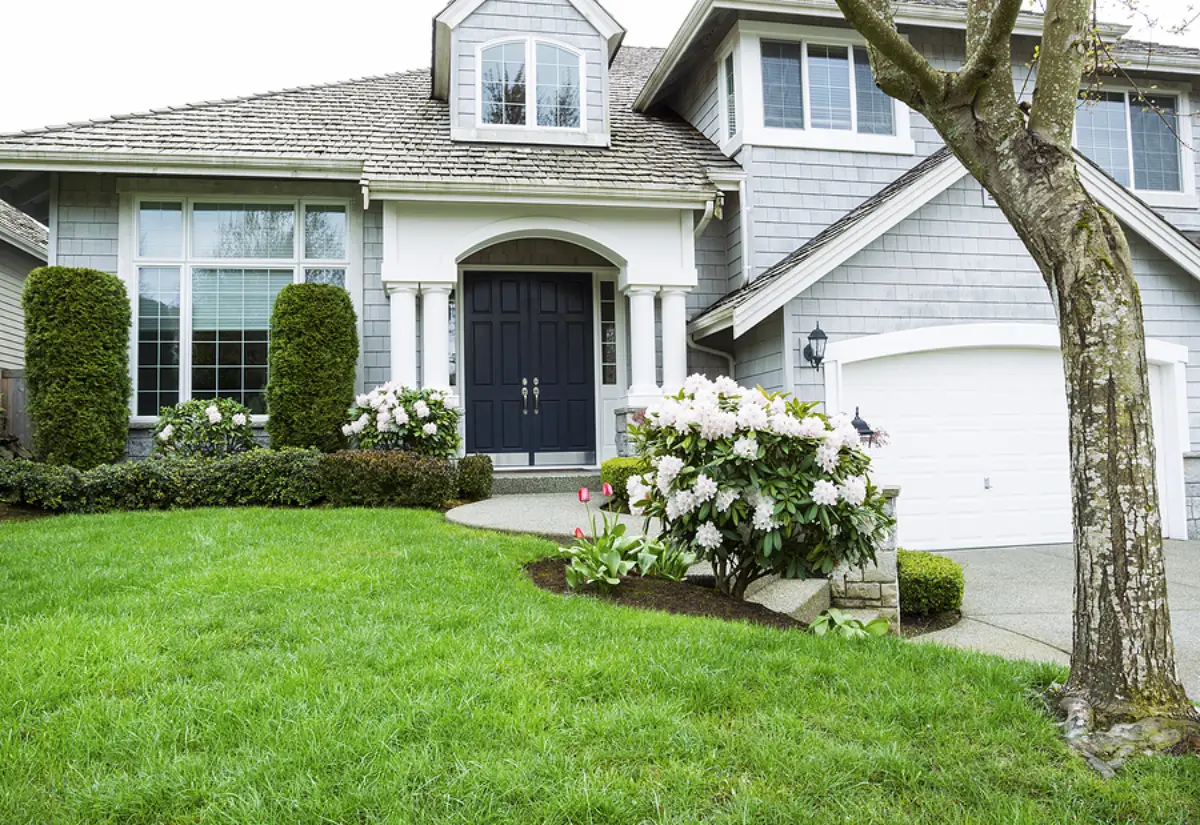
Clear decision-making often begins after reviewing guidance like choosing investment properties, which can shed light on why single-family rentals tend to operate differently than multifamily properties. Detached homes usually involve fewer shared systems, more defined responsibilities, and fewer day-to-day interruptions. At PMI Central Florida, we focus exclusively on residential management, helping owners turn those structural advantages into steadier performance.
The sections below examine how single-family rentals influence operations, pricing control, tenant stability, and long-range planning across DeLand’s residential market.
Key Takeaways
- Single-family rentals reduce operational complexity by limiting shared spaces and systems.
- Outdoor privacy and space often encourage longer stays in DeLand neighborhoods.
- Flexible layouts help tenants remain in place as household needs change.
- Neighborhood-based competition allows for more deliberate pricing strategies.
- Predictable maintenance supports cleaner budgeting and financial planning.
Reduced Density Changes Daily Oversight
Every rental property generates questions, yet the property type often determines how often those questions arise. Single-family rentals tend to keep daily oversight more focused.
In higher-density properties, shared infrastructure increases coordination. Parking access, common-area wear, and noise transmission all add layers of communication that require attention. Even well-run buildings can produce frequent touchpoints.
Detached homes reduce those layers. Residents enter through their own doors, manage their own spaces, and interact less with neighbors, which often leads to fewer complaints and more predictable routines.
Clear accountability
When a repair is needed, it usually affects one household and one system. That clarity speeds decisions and simplifies vendor scheduling.
Fewer resident conflicts
Many recurring issues in multifamily housing stem from proximity. Single-family rentals naturally limit those interactions, reducing disputes and follow-up communication.
Outdoor Space That Encourages Longer Tenancies
Outdoor features carry meaningful value for renters who want comfort without ownership obligations. In DeLand, yards and patios often influence how long tenants choose to stay.
A yard supports routines that apartments rarely accommodate. It offers room for pets, outdoor relaxation, and personal use that enhances daily living. That added comfort can make a rental feel like a longer-term fit.
Outdoor elements that often support retention include:
- Yard space that accommodates pets and everyday use
- Covered patios or porches that extend living areas
- Driveways or garages that reduce parking challenges
Owners who consider improvements early often benefit from reviewing resources like post-purchase planning steps to focus on upgrades that matter most to tenants rather than cosmetic changes with limited impact.
Layout Flexibility That Adapts Over Time
Turnover frequently occurs when a home no longer fits a tenant’s routine. Single-family rentals often delay that point by offering adaptable layouts.
DeLand renters include families, professionals, and long-term residents who value flexible space. Extra bedrooms, bonus rooms, and defined living areas allow households to adjust without relocating.
Rooms that evolve
A spare bedroom can become a home office, hobby space, or guest room. When tenants can adjust their space instead of moving, renewals often increase.
Separation supports balance
Distinct living, working, and sleeping areas can make daily routines feel calmer, especially for households balancing remote work and family life.
Pricing Control Built Around Neighborhood Demand
Pricing pressure behaves differently when properties are not competing internally. Single-family rentals typically compete at the neighborhood level rather than against identical units.
That structure allows owners to adjust pricing based on condition, location, and features without reacting to building-wide shifts. This flexibility can help support steadier income.
National trends reinforce this dynamic. Data shows single-family rents running 20% higher than multifamily rents, highlighting the pricing separation between these property types.
Unique features hold value
Homes differ by layout, yard size, and upgrades. That variation allows pricing to reflect actual value rather than forced uniformity.
Vacancies remain isolated
One vacancy does not trigger widespread concessions. Owners can stay disciplined instead of reacting to cascading price pressure.
Maintenance Planning That Feels More Predictable
Maintenance complexity increases when systems are shared. Single-family rentals often simplify this aspect of ownership.
Repairs affect one household, making scheduling easier and budgeting more reliable. Preventive maintenance becomes easier to plan, and communication stays straightforward.
Common multifamily challenges detached homes often avoid include:
- Shared plumbing lines requiring access across units
- Common-area lighting or gate issues that prompt frequent calls
- Infrastructure failures affecting multiple residents
For owners monitoring performance closely, insights like rental analysis tips can help connect maintenance trends with long-term cash flow planning.
Insurance Considerations for Residential Properties
Risk exists in every rental, yet density influences how it is managed. Single-family homes often involve fewer shared liabilities, which can simplify coverage planning.
Insurance requirements continue to evolve, and staying informed matters. Reviewing guidance such as insurance planning guidance can help owners assess protection needs without overcomplicating decisions.
Clear responsibility boundaries
With fewer shared elements, it becomes easier to define maintenance responsibilities, reducing disputes and improving response times.
Sustainable Habits That Protect Long-Term Value
Long-term performance often depends on consistency rather than large renovations. Sustainable management focuses on routines that preserve the property and support tenant comfort.
Effective habits include:
- Regular HVAC servicing to extend system lifespan
- Drainage and gutter maintenance to prevent damage
- Durable landscaping choices that limit recurring costs
- Efficiency upgrades completed during natural replacement cycles
Owners aligning sustainability with market demand often combine these practices with research into Savannah growth areas to support long-term positioning, even when applying lessons locally in DeLand.
Market Conditions Supporting Detached Rentals
Broader housing trends continue to influence rental demand. When purchasing becomes less accessible, more households remain renters while still seeking the comfort of detached living.
The National Association of REALTORS® reported a national median existing single-family home price of $426,800 in the third quarter of 2025. In markets like DeLand, this pressure can support continued demand for well-maintained single-family rentals.
Livability remains a deciding factor
Features that reduce daily stress, including parking, storage, and outdoor space, continue to influence renter choice.
FAQs about Single-Family Rentals in DeLand, FL
What types of renters usually choose single-family homes in DeLand?
Single-family rentals often attract families, professionals, and long-term renters who value privacy and space. These tenants typically prioritize comfort and stability, which can support longer lease durations and steadier occupancy.
Do single-family rentals require more upkeep than apartments?
They often involve fewer shared maintenance issues, which can simplify oversight. While exterior care matters, repairs typically affect one household, making planning and scheduling more predictable for owners.
How does location impact leasing success in DeLand?
Proximity to daily conveniences, employment centers, and schools can significantly influence demand. Neighborhood quality often plays a larger role in leasing success than property size alone.
What helps improve renewal rates without major upgrades?
Consistent maintenance response, clear communication, and small functional improvements often boost satisfaction. These steps can encourage renewals without requiring extensive renovation costs.
How can owners prepare for larger repairs over time?
Planning reserves for major systems like roofing and HVAC helps reduce financial strain. Routine inspections also allow owners to address issues early before they escalate.
Create Momentum With the Right Residential Strategy
Strong residential performance doesn’t come from reacting to problems as they appear. It’s built through property choices that reduce friction, systems that stay consistent, and planning that looks beyond the next lease cycle. In DeLand, single-family rentals give owners the flexibility to do exactly that.
At PMI Central Florida, we work with residential owners to align strategy with execution, so properties stay stable even as markets shift. Build a stronger rental plan now by connecting with our team through our buyer services page and move forward with confidence.
